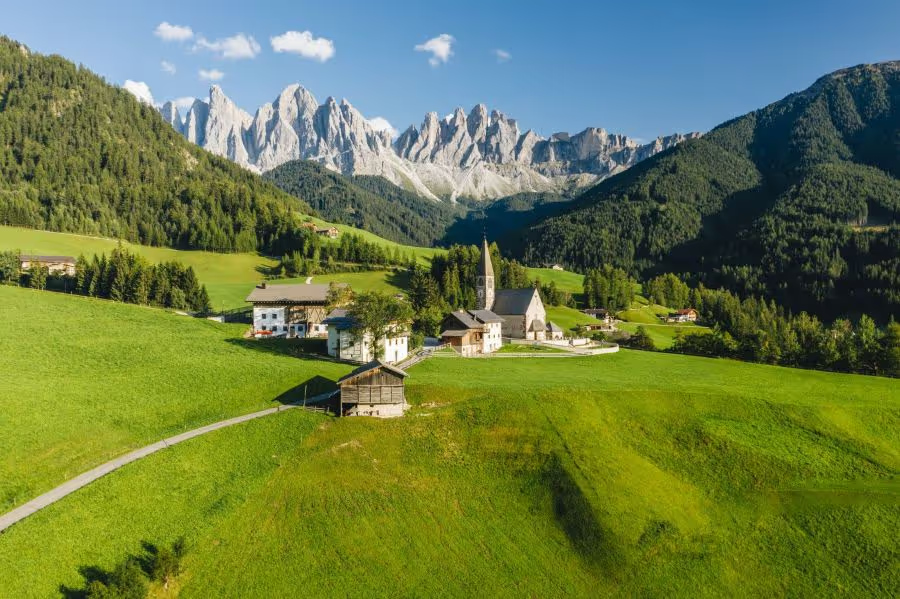
THE STORY OF THE FAMOUS WHITE LIPIZZANER HORSES FROM LIPICA IN SLOVENIA
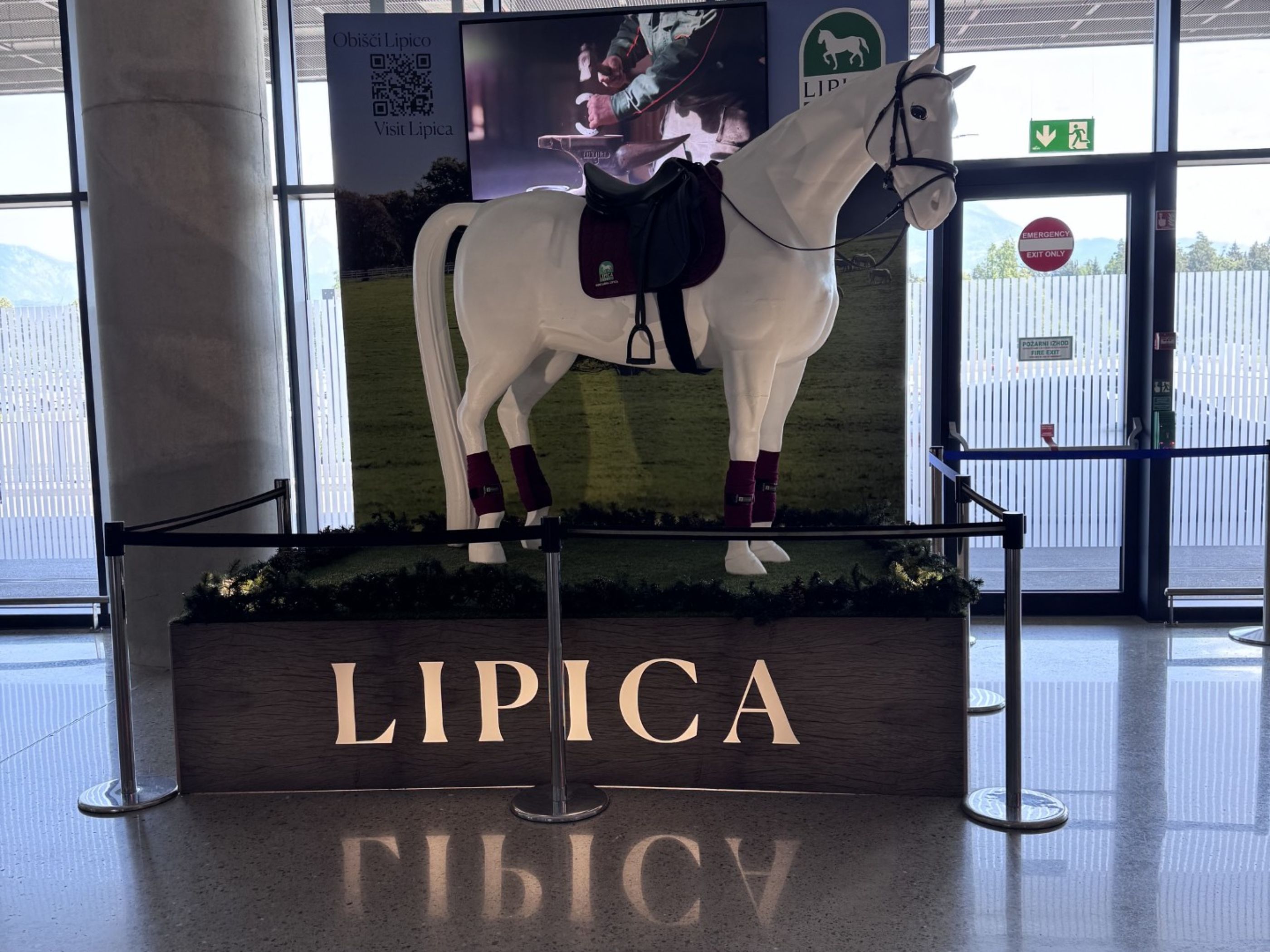
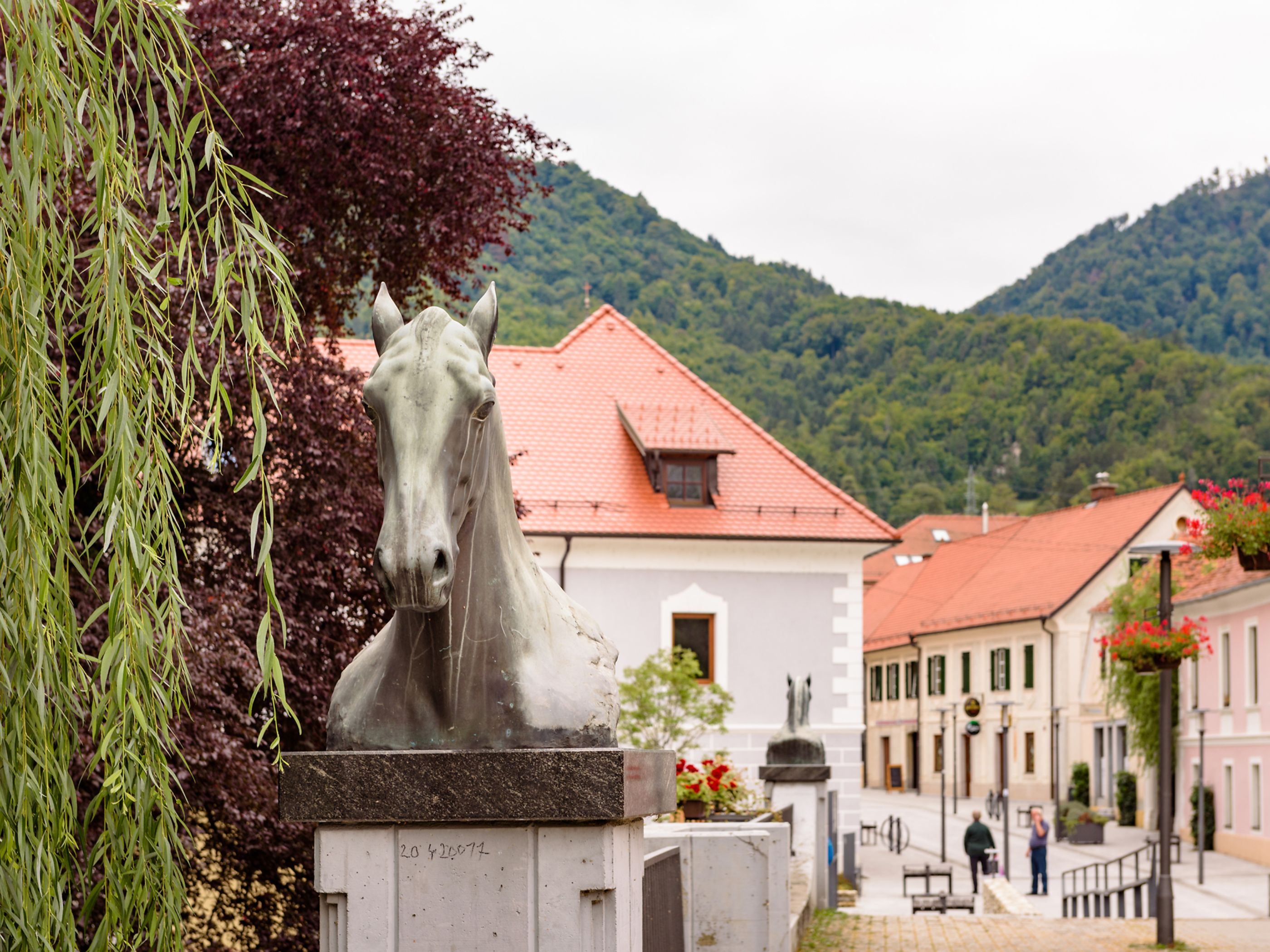
Visitors arriving at Ljubljana international airport in Slovenia have their first glimpse of a Lipizzaner horse in the arrivals hall where there is an impressive statue of the famous equine.
They might think “wow”. Understandably.
The noble, white Lipizzaner horses are native to Slovenia. Their original stud farm was established in 1580 in a place called Lipica, then situated in the Habsburg Monarchy, which is in present-day Slovenia, close to the border with Italy. It was the Habsburg Archduke Charlies II who established the breed to create a horse perfect for both military work and court duties. Spanish and Italian horses were imported and were bred with local Karst horses to create the famous and utterly magnificent, white, long-lived breed.
In addition to their natural beauty, the Lipizzaners proved to be incredibly graceful, agile, highly intelligent with a kind temperament, making them ideal for high school (haute ecole ) dressage. The horses were named after Lipica, the place. The word “lipica” is derived from the Slovenian word “lipa” meaning linden tree. There are thousands of glorious linden trees on the estate, which spans over 700 acres. The staff at the Lipica stud farm plant a new linden tree for every foal born.
One of the official, rather jovial guides at the stud farm is often heard saying to visitors “If you are born in London you are called a Londoner. If you are born in Lipica you are called a Lipizzaner. Today, Lipizzaner horses from Lipica are more famous than the people who live here!”
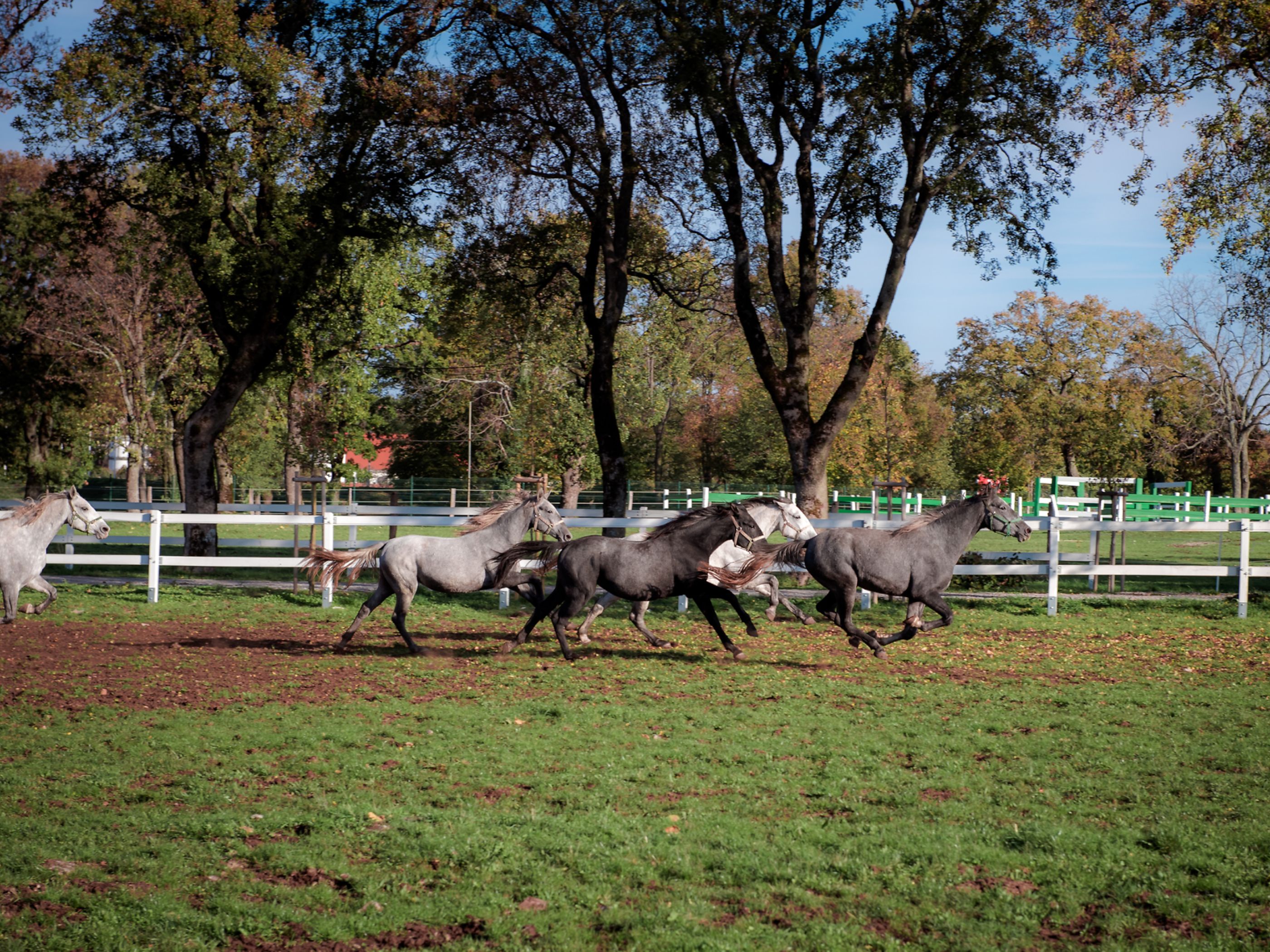
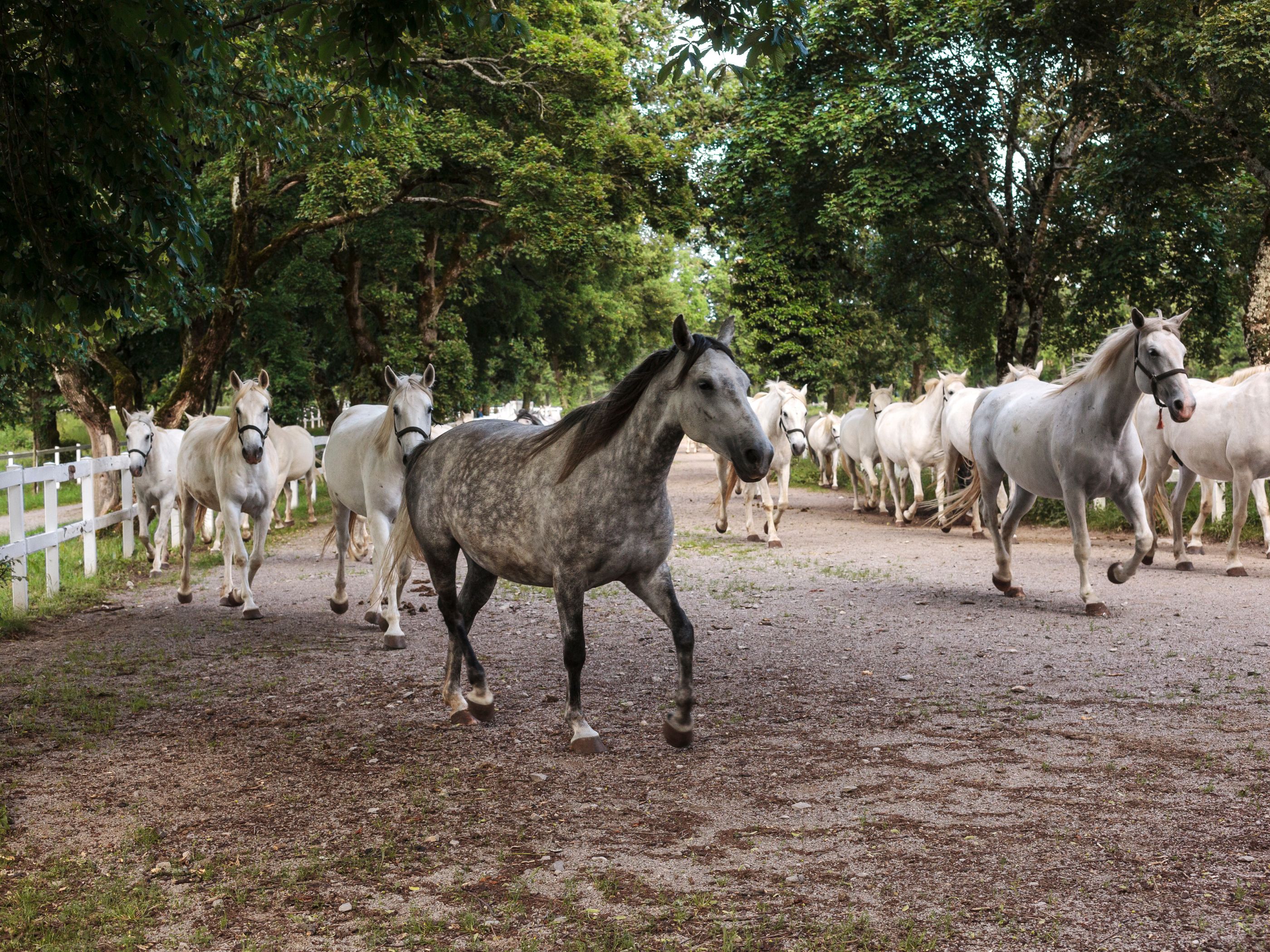
On arrival, visitors who walk up the lane from their parking spot and stroll through avenues of linden trees amid green fields might suddenly have a whisper of white catch their eye: this will be a Lipizzaner horse or a group of them moving across their pasture. There are several hundred horses and mares here, often with foals which, interestingly, are born dark and change colour to white or silvery grey between 6-10 years old. Very rarely, a Lipizzaner will remain dark forever.
To spot them grazing outdoors really is like something out of a fairytale or a film, a wondrous sight.
Lipica is located close to the border with Italy in a region where the terrain is Karst, a term used to describe the kind of ground and landscape where limestone and dolomite prevail, where there are often dried up underground streams and where underground caves sometimes exist. The famous, deep Postojna Caves of Slovenia are just 30 minutes away.
Archduke Charles II chose the Lipica area since the topography was, in some ways, similar to the area in Spain from where some of those horses were brought.
Horses are still bred at Lipica today, making it one of the oldest Lipizzaner stud farms in the world. In 2026, the stud has existed for 446 years. Lipica is inscribed on the UNESCO Intangible Cultural Heritage List.
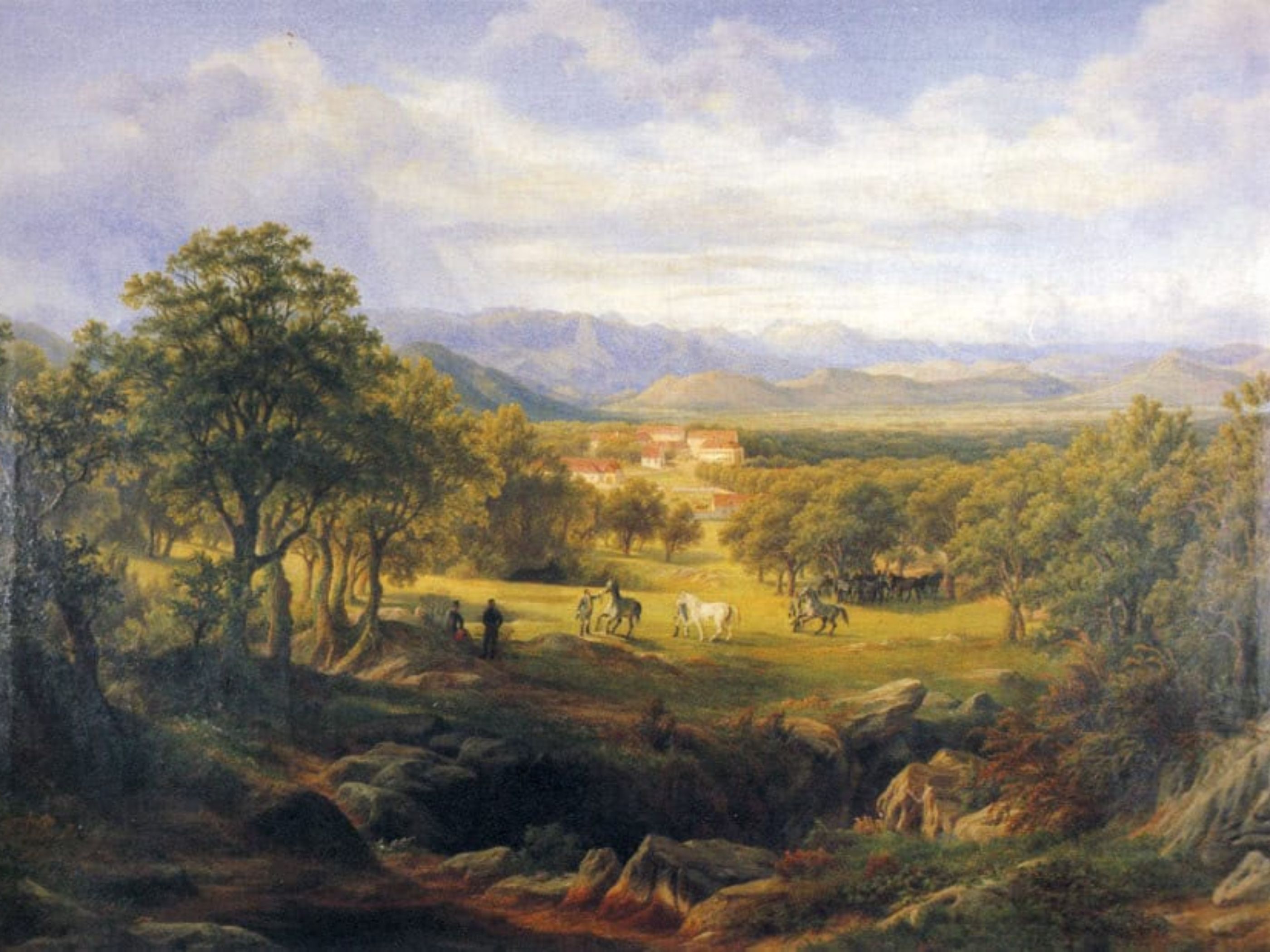
When people talk today of the majestic, white Lipizzaner horses they sometimes say, mistakenly, that they come from Austria or Spain.
This confusion perhaps arises because horses were brought from Spain to Lipica when the stud was created. Austria perhaps because Lipizzaner horses are now used in the Spanish Riding School in Vienna for the classical performances, in the same way that the classical performance takes place at Lipica with their own Lipizzaner stallions. There are several well known yet smaller Lipizzaner stud farms in this part of Europe, namely in Piber, Austria and Djakovo in Croatia.
In 1996, Lipica became a public institution and in 2008, Queen Elizabeth II of Great Britian, due to her love of horses, visited Lipica. She was presented with a Lipizzaner horse as a gift from the Slovenian people. She, rather charmingly, requested that the horse remain there and be looked after by those familiar to him. Her horse still lives there today.
Lipica is a beautiful, thriving, happy, somewhat magical place yet the history has been turbulent and horses have been moved several times due to earthquake (1802), then prior to World War 1 and again during World War 2 when “Operation Cowboy” dramatically saved the horses.
After Italy surrendered in 1943, the German troops took all 179 Lipizzaner horses from the Lipica stud farm to Hostau (modern day Czech Republic). Their goal was to own the best specimens from the finest stud farm and create their version of an “Aryan race” of horse – according to historians.
As the war was drawing to a close in 1945 and Hostau was about to come under Soviet Rule, U.S. Army troops, with Allied POWs joined rebel German Wehrmacht soldiers and they all collaborated to launch an extraordinary and daring rescue mission called “Operation Cowboy” saving hundreds of stolen Lipizzaner horses from potential slaughter by the advancing Red Army. This stands as one of only two documented occasions when US and German forces have acted together. American General George Patton, (himself a devoted equestrian) was then stationed 20 miles west of Hostau and also became involved in the escape. The whole, true story is well told in the book “Ghost Riders” by Mark Felton.
Lipica is open to visitors and there is a hotel and leisure complex adjacent.
The following experiences can be enjoyed (tours, riding, and classical performance must be booked in advance):
Guided tours of the stud farm including seeing the stallions and mares with their foals (foals subject to the time of year)
Carriage ride tours around the estate for up to four people and mares are always the carriage horses
Lipikum museum telling the whole story with interactive and thematic features
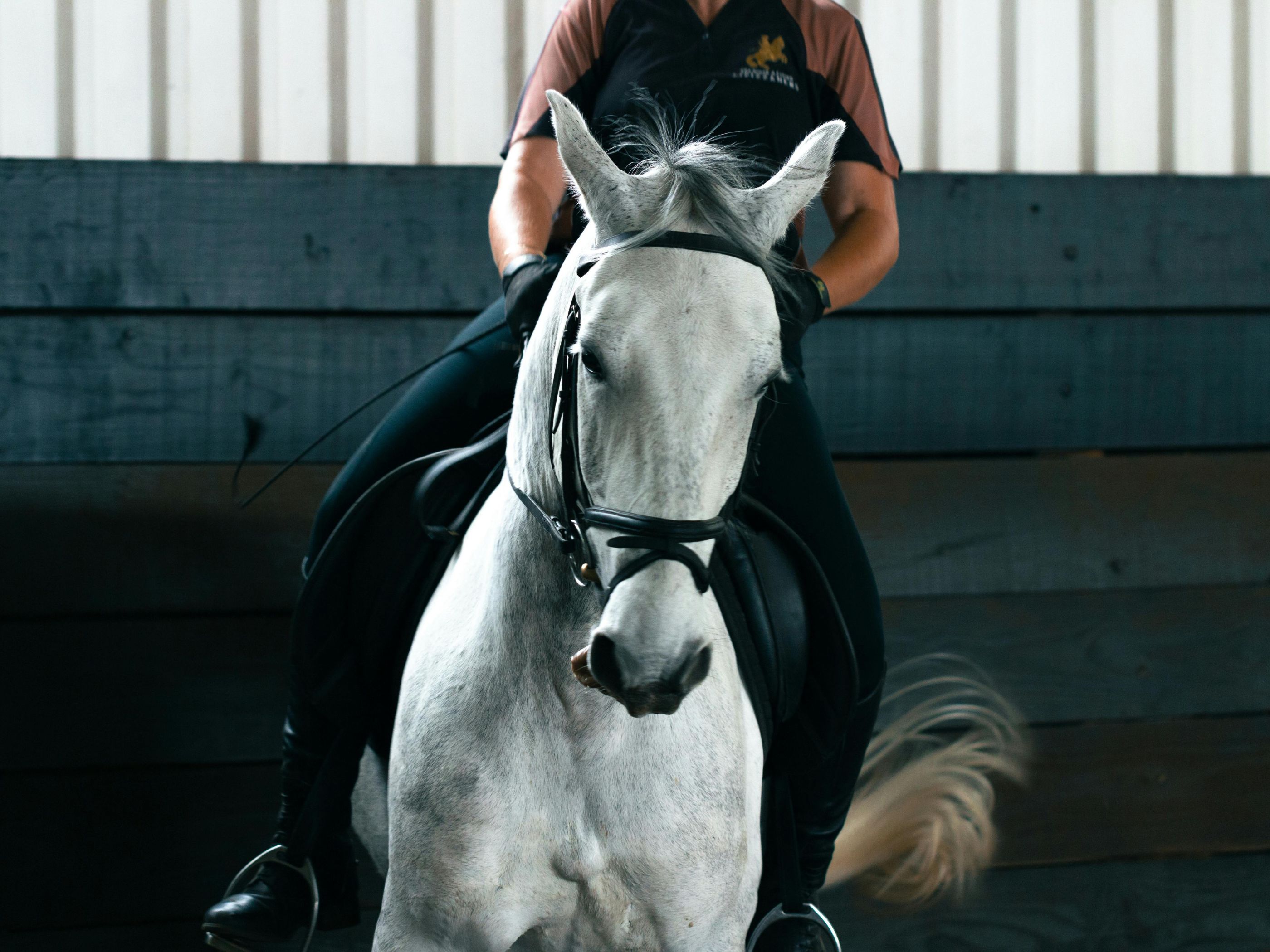
Individual riding lessons on a Lipizzaner, haute école/dressage
Outdoor hacking on a Lipizzaner, over 18’s only, not novice riders
Classical performance of haute école by the stallions in the grand, indoor, seated arena-hall, duration is usually 45 minutes, two-three times per week
Restaurant, café-bar, gift shop
Stars of Screen
The Lipizzaners of Slovenia were the stars of a 1963 Disney film, an adventure war film entitled “The Miracle of the White Stallions”. Further, “The White Horses” (originally called ‘Ferien in Lipizza’ ) was a hugely popular 1965-1967 children’s television series produced by former Yugoslavia and Germany and famously broadcast in the UK by the BBC from 1968 for many years after. It was filmed in black and white in former Yugoslavia at Lipica, present day Slovenia. The story is about Julia, a teenage girl who falls in love with the original Lipizzaner horses and spends every possible moment with them. Naturally. It was especially popular in the UK with the theme song “White Horses” sung by Jacky Lee becoming a UK Top Ten hit in 1968
Holiday ideas
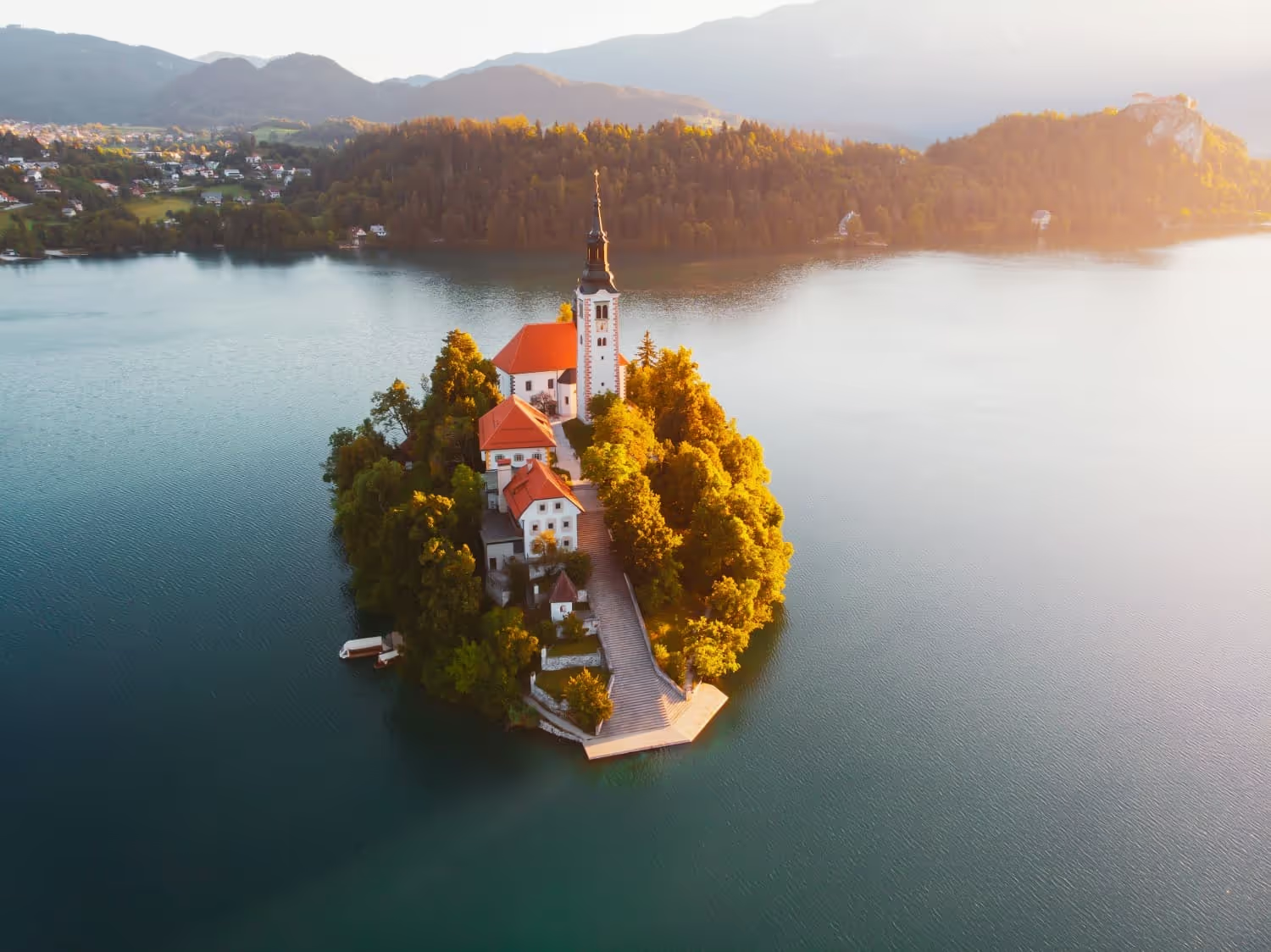
There are many places to stay in Slovenia, enabling a visit to the Lipica Stud, and many people would take a day trip from Ljubljana.
From Lipica, Piran on Slovenia’s pretty Adriatic coast is just 45 minutes away, Trieste in Italy is under 30 minutes away.
.png)